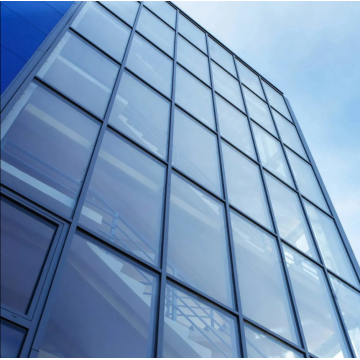

Products> Aluminum Curtain Wall> Hidden Frame Curtain Wall System
Hidden Frame Curtain Wall System

Hidden Frame Curtain Wall System

  • $75-150 /Square Meter

Share:
  • Payment Type: L/C,T/T,Paypal
  • Incoterm: FOB,CFR,EXW
  • Min. Order: 1 Square Meter
  • Transportation: Ocean
  • Port: shenzhen
Description
Product Attributes

Model No.WD-CWL020

BrandWendou

VarietyCurtain Walls

Warranty Service5 Years

Place Of OriginChina

Packaging & Delivery
Selling Units: Square Meter
Package Type: Adhesive protective film+Bubber film+Hardboard+Strechable plastic wrap+Non-fumigation plywood-crate
Picture Example:
Supply Ability & Additional Information

PackagingAdhesive protective film+Bubber film+Hardboard+Strechable plastic wrap+Non-fumigation plywood-crate

Productivity150000㎡/year

TransportationOcean

Place of OriginChina

Supply Ability10000㎡/M

CertificateNFRC/CE/AS2047

Portshenzhen

Payment TypeL/C,T/T,Paypal

IncotermFOB,CFR,EXW

Product Description
A hidden frame curtain wall system is a type of curtain wall where glass panels are directly bonded to an aluminum alloy frame using structural adhesive. Its core feature is that the metal frame is completely hidden behind the glass panels, so only the continuous glass surface is visible from the building facade, creating a clean, transparent, and modern architectural appearance.
 
1. Exterior Construction
The construction logic of a hidden frame curtain wall is "frameless design." The glass panels are bonded to an aluminum alloy sub-frame using silicone structural sealant, and the sub-frame is then fixed to the main structure via mechanical connections or structural adhesive.
 
Key design features include:
Fully Hidden Frame Construction: All four sides of the glass are bonded with structural adhesive, with no exposed metal frame, creating a frameless glass effect. For example, the Pacific Design Center (Blue Whale Building) in the United States uses this design, with a mirror-like smooth glass surface that enhances the building's futuristic feel.
 
Semi-Hidden Frame Construction: Only the horizontal or vertical frame is exposed, with the other direction bonded with structural adhesive. This design maintains transparency while adding a sense of depth to the facade through metal lines, and is commonly seen in commercial complexes.
Modular Installation: Glass panels are prefabricated in the factory and fixed on-site using mechanical clamps or structural adhesive, reducing construction errors and improving installation efficiency.
aluminum curtain wall
 
2. Material Types
The selection of materials for concealed frame curtain walls must balance strength, durability, and aesthetics:
 
Aluminum Alloy Profiles: Commonly used are 6063-T5 and 6061-T6 series, with a wall thickness ≥2.5mm. Aluminum Curtain Wall surface treatments include fluorocarbon coating (weather resistance ≥20 years) or anodizing (oxide film thickness ≥15μm) to resist UV radiation and acid rain corrosion.
 
Glass Panels: Primarily tempered double-glazed glass (e.g., 6+12A+6mm). Some projects use Low-E glass or laminated glass to improve thermal and sound insulation performance. For example, the concealed frame curtain wall of the Shanghai Tower uses triple-glazed glass, effectively reducing air conditioning energy consumption.
 
Structural Adhesive:
Silicone structural sealant requires a "three-coat, two-bake" process, with a total coating thickness ≥40μm, ensuring strong adhesion between the glass and frame while maintaining elasticity to accommodate building displacement.
 
3. Applicable Regions and Building
Types Frameless curtain walls have wide applicability, but design adjustments are necessary based on climate conditions:
 
Climate Adaptability:
Coastal Areas: Curtain Wall Aluminum should ideally use 3003 series aluminum alloy with fluorocarbon coating to resist salt spray corrosion; laminated glass is used to prevent glass from falling during typhoons.
 
Inland Arid Areas:
Anodized profiles can be selected to reduce costs; argon-filled insulated glass improves thermal insulation.
High-Altitude Cold Areas: Aluminum alloys must undergo T6 heat treatment to enhance low-temperature toughness; structural adhesive must pass a -40℃ low-temperature test to prevent embrittlement.
 
Building Types:
Commercial Buildings: Such as shopping malls and office buildings, frameless curtain walls achieve a "glass box" effect, attracting foot traffic.
Cultural venues: such as museums and theaters, utilize low-reflection glass and frameless designs to reduce light pollution and blend seamlessly with the surrounding environment.
High-end residences: such as apartments and villas, introduce natural light through frameless curtain walls, enhancing the quality of life.
Aluminum Curtain Wall
4. Functional Roles
The functional value of frameless curtain walls is multi-dimensional:
 
Aesthetic Value: The frameless design eliminates visual interference, enhancing the building's modernity and lightness. For example, Apple's headquarters uses a fully frameless curtain wall, where the glass surface reflects the sky like a mirror, creating a "floating" effect.
 
Performance Optimization:
Insulation: The combination of insulated glass and thermally broken aluminum alloy frames allows for a K-value as low as 1.8W/(m²·K), meeting green building standards.
Sound Insulation: The damping effect of laminated glass and structural adhesive reduces noise by more than 35dB, suitable for noise-sensitive areas such as airports and train stations.
Waterproofing: Aluminum Frames For Curtain Wall achieves IP65 waterproofing through an isobaric cavity design combined with silicone weather-resistant sealant, preventing rainwater penetration.
 
Environmental friendliness: Aluminum alloy is 100% recyclable, and glass has a recycling rate exceeding 90%, aligning with sustainable development principles; the concealed frame design reduces material usage and lowers carbon emissions.
 
5. Typical Cases
Shanghai Tower: Employs a concealed frame curtain wall and double-glazed structure. The outer glass layer is fixed with structural adhesive, while the inner layer incorporates ventilation cavities, achieving a balance between energy efficiency and aesthetics.
Marina Bay Sands Hotel, Singapore: The roof features a gold fluorocarbon-coated concealed frame curtain wall, creating a striking contrast with the glass curtain wall and becoming a city landmark.
 
Through material innovation and structural optimization, the concealed frame curtain wall system achieves a unity of functionality and artistry, becoming the preferred solution for modern building facade design. Its modular installation, long lifespan, and low-carbon environmental characteristics further align with the demands of a sustainable development era.


The file is encrypted. Please fill in the following information to continue accessing it

Contact Us Now
Enter your inquiry details, We will reply you in 24 hours.
* Please fill in the information
* Please fill in your e-mail
* Please fill in the content
Products> Aluminum Curtain Wall> Hidden Frame Curtain Wall System
Send Inquiry
*
*
*

We will contact you immediately

Fill in more information so that we can get in touch with you faster

Privacy statement: Your privacy is very important to Us. Our company promises not to disclose your personal information to any external company with out your explicit permission.

Send